Life Skills
Intent
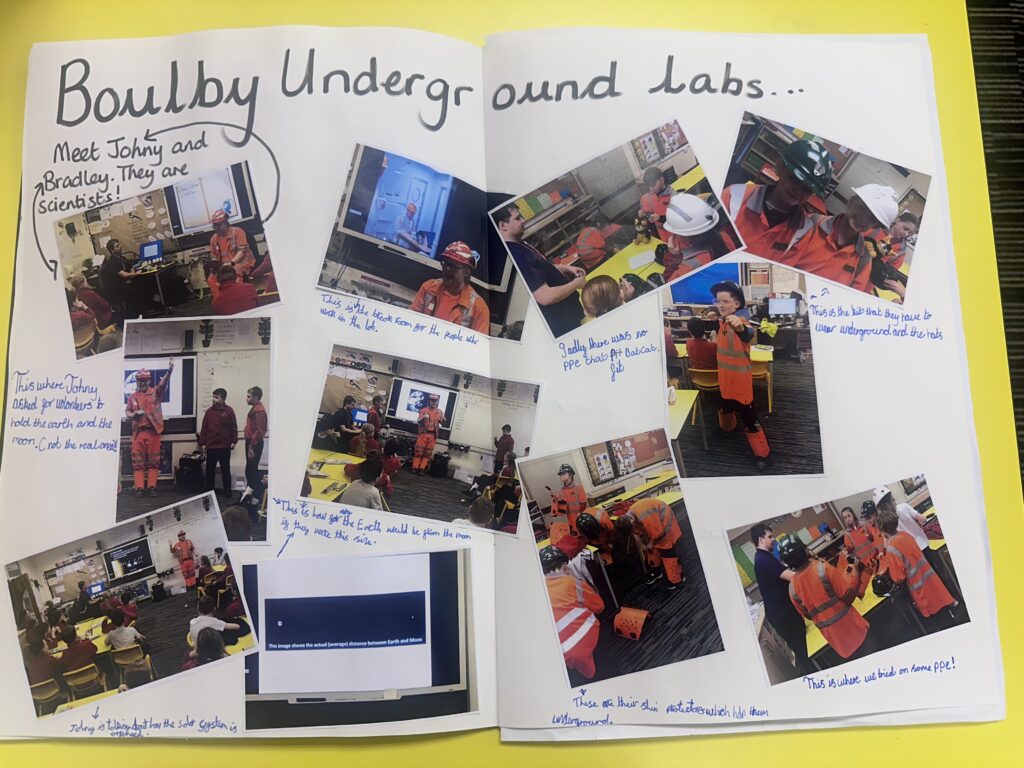
Through our Life Skills’ curriculum, we endeavour to provide our children with the fundamental understanding of how to be both physically and emotionally healthy. We nurture independence, along with opportunities to develop the skills needed to be a good person and one who is proud to be part of a respectful and multicultural community. We strive to embed acceptance and tolerance throughout our curriculum, especially within Relationships and Sex Education, where our teaching focuses on building healthy, safe and respectful relationships with family and friends, including the online world. Our children will aspire to become the very best version of themselves, set goals and believe they can achieve, regardless of any obstacles they may face.
Implementation
At Skelton, we use the Pol-Ed curriculum to support the teaching of Life Skills. Areas of learning are categorised into four distinct areas: Relationships, Keeping Safe, Understanding the Law and Wellbeing. Each area has a series of lessons that will be delivered when appropriate. Life Skills will always be delivered by the classroom teacher as it is they who have the strongest relationships with the children. In these lessons, the level of trust is very important. Each lesson is explored through a question that can be viewed below within the phased tables that show the programme of study.
Pol-Ed is resourced and these resources can be used by the classroom teacher, however it may be that more appropriate/engaging resources are found that can be used to deliver the lesson.
Life skills is an integral part of the education of all children and is taught each week.
Programme of Study
In Early Years
| Relationships | Keeping Safe | Understanding the law | Wellbeing | |
|---|---|---|---|---|
| EYFS | How can I be a good friend? How can I make other children feel happy? How can I play nicely with others? How can adults at school help me? | How can I play safely? How can I keep safe at school? How can I keep safe at home? | What are rules? What are consequences? What can I do if I’m feeling big emotions? Who are the police and how do they help us? | How can I be a germ buster? How does food help me? How does exercise help me? |
In Key Stage 1
| Relationships | Keeping Safe | Understanding the law | Wellbeing | |
|---|---|---|---|---|
| Year 1 | How can I be an ally? How can I make friends? What if my friends are making me feel sad? What is bullying? Why are safe hands important? Why is name calling unkind? | How can I keep safe in new places? How can I speak up? How can I use things at home safely? What is 999? What is private information? Who are my trusted adults? | How can I be responsible? What can happen when rules are broken? What do the police do? Why have different rules in different places? | What makes me special? What do feelings feel like? How can I share my feelings? How can I be an empathy expert? |
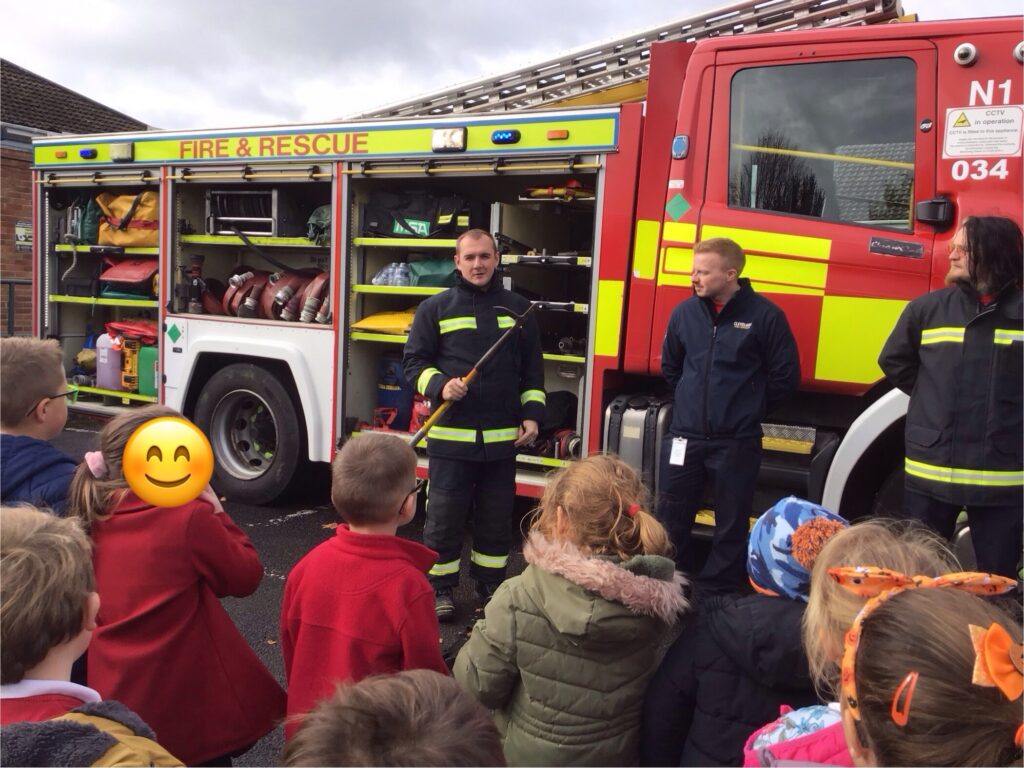
| Year 2 | How are we the same? How are we different? How can I work with different people? How do I share family worries? What is a family? Why are relationships important? | How can I keep safe online? What are different types of meetings? What are medicines? What are private body parts? What is fire safety? | What are needs and wants? What is a job? What is money? What is the internet? Why does age matter? | How can I deal with change? What does it mean to be healthy? How can I look after my body? Why is sleep important? When do I need to take a break? What are the risks of video gaming? |
In Key Stage 2
Lower Key Stage 2
| Relationships | Keeping Safe | Understanding the law | Wellbeing | |
|---|---|---|---|---|
| Year 3 | How should we treat people? What can I do when friendships go wrong? What do we mean by consent in friendships? What is bullying? Who are my key people? | How can I share my worries? What are emergency services? What are emergency situations? What do we mean by risk? When should I break a secret? | How can I be a responsible citizen? How do we enforce the law? What are children’s rights? What is the law and why do we have it? | What is mental health? What am I good at? How can intense feelings be helpful? How do our emotions affect our health? How does school help me? |
| Year 4 | How can we be role models? What is a healthy friendship? What is discrimination? What is diversity? What is peer influence? Who makes up my community? | How can I keep safe in my local area? How can we keep safe on the road? What are hazards in the home? What is first aid? Who do I encounter? | How can I respect my environment? What are protected characteristics? What can I be? What is hate crime? | How do my choices help me to be healthy? What are healthy habits? Why is food fuel? How can I be a hygiene hero? How does school build my character? What is my body trying to tell me? |
Upper Key Stage 2
| Relationships | Keeping Safe | Understanding the law | Wellbeing | |
|---|---|---|---|---|
| Year 5 | How can my adult relationships affect my future? How do words have power? What are my personal boundaries? What are online friendships? What is grooming? What is media influence? What is peer pressure? | How can we keep our things safe? How can we behave sensibly? What are the risks with water? What are the risks when out and about? Why are our people important? What is media literacy? | How do rules help our community? What can and can’t I do on the internet? What is gambling? | How does my personal identity support me? How do I help others? How do I improve my wellbeing? How might my feelings affect me? What is school sport for? How do people make me feel safe? |
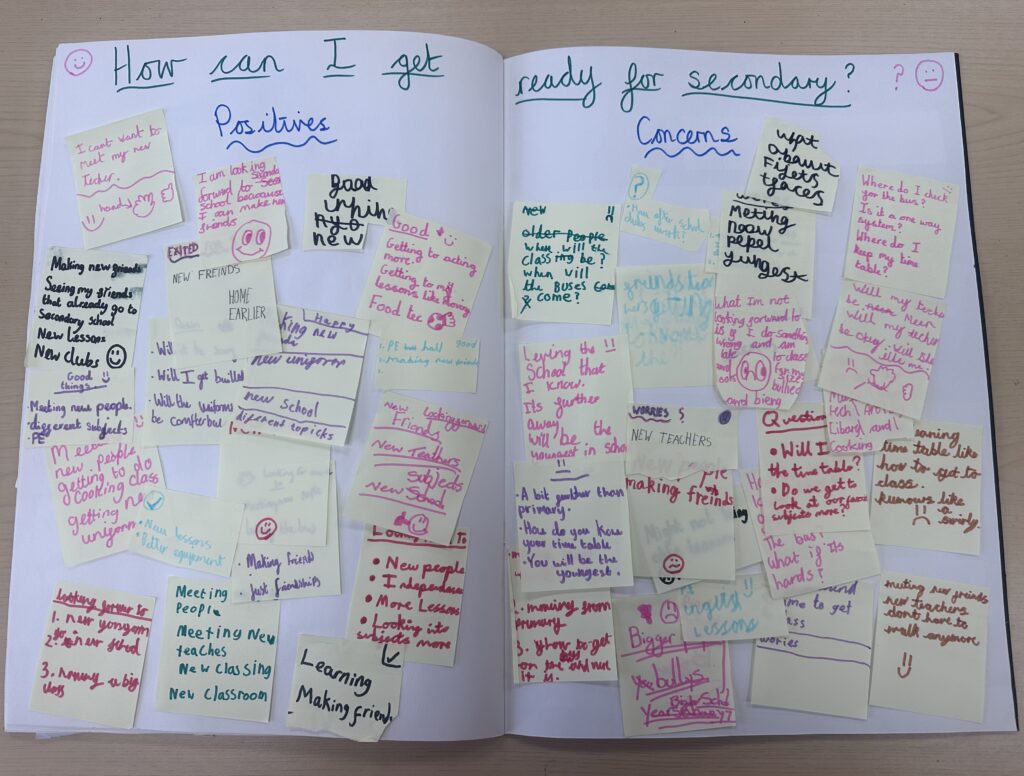
| Year 6 | How can I get ready for secondary relationships? How can we be allies against discrimination? What is a different viewpoint? What are healthy relationships? What is my relationship with authority? | How is my data shared? What is spiking? What are my rights online? Why does online behaviour matter? Bonfire Night Lesson Halloween Lesson | What different types of government are there? What does the law say about alcohol, drugs and smoking? What are community groups and how may they support me? What is antisocial behaviour? What is shop theft? | How can I thrive? How can I be kind? How can I make the right choices? How can I manage money? How do I transition to high school positively? |
Recording
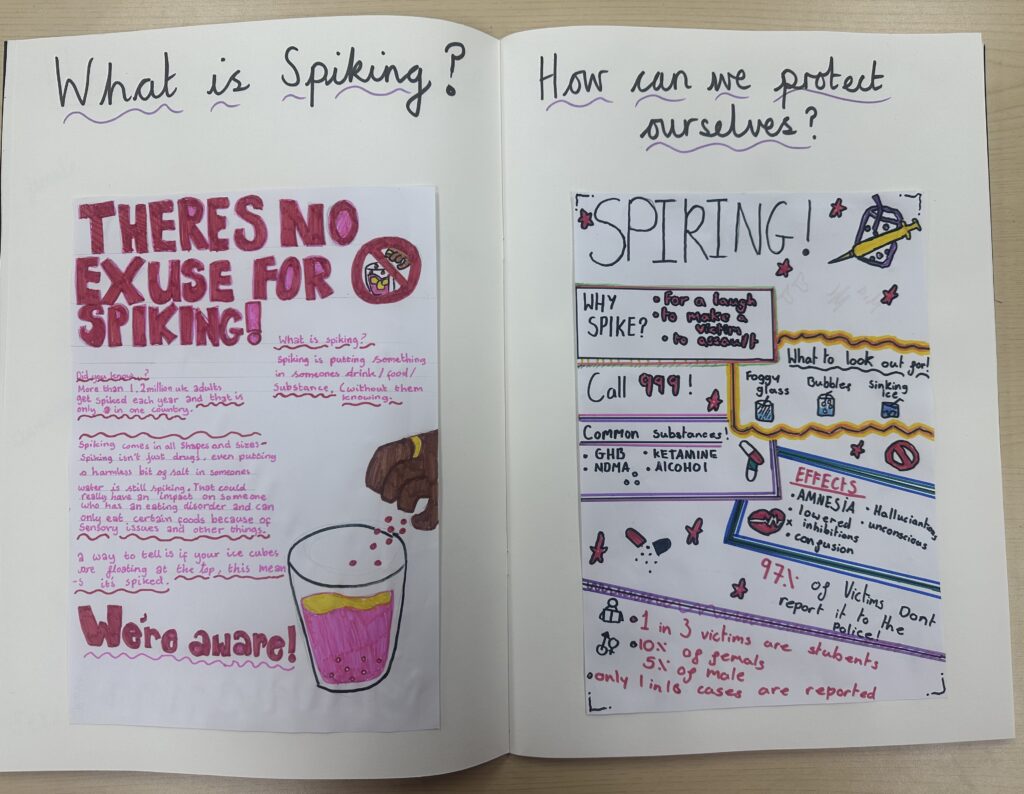
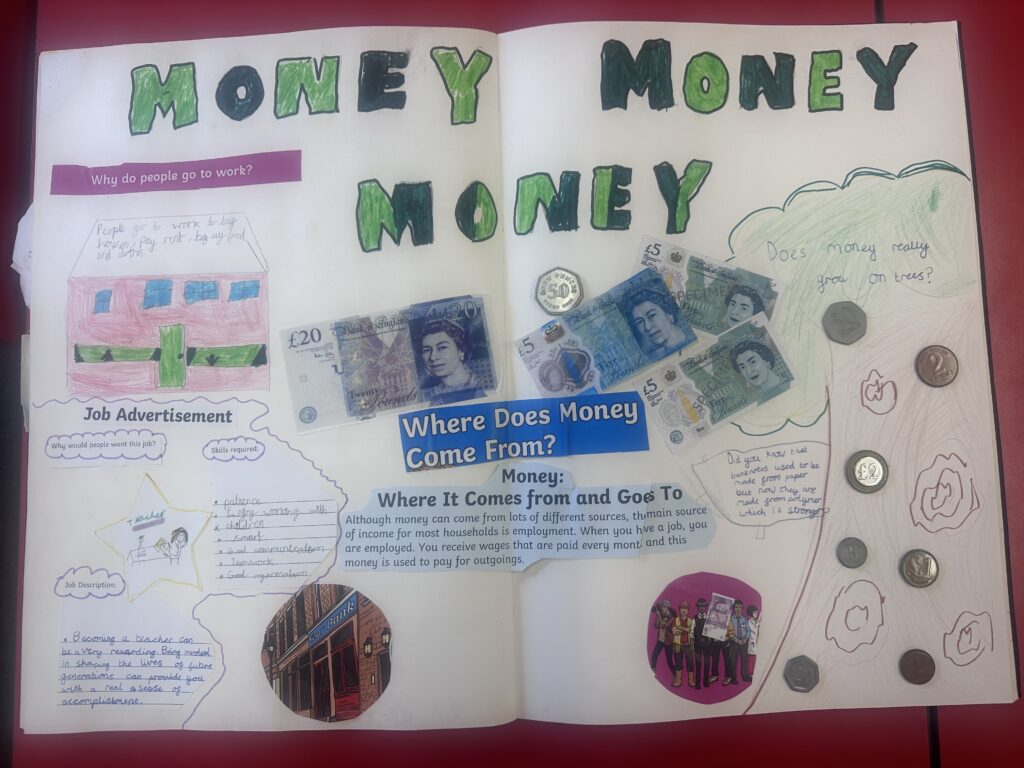
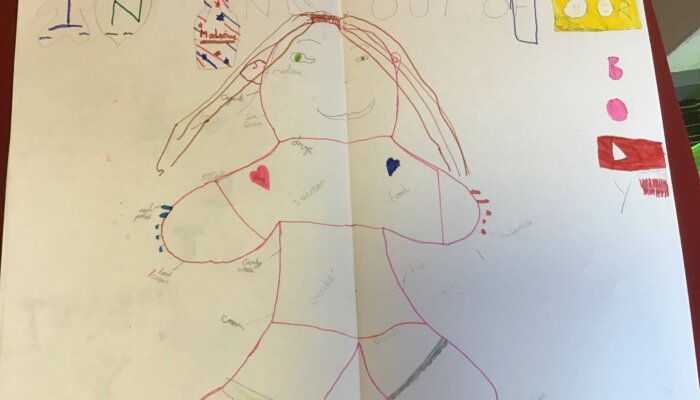
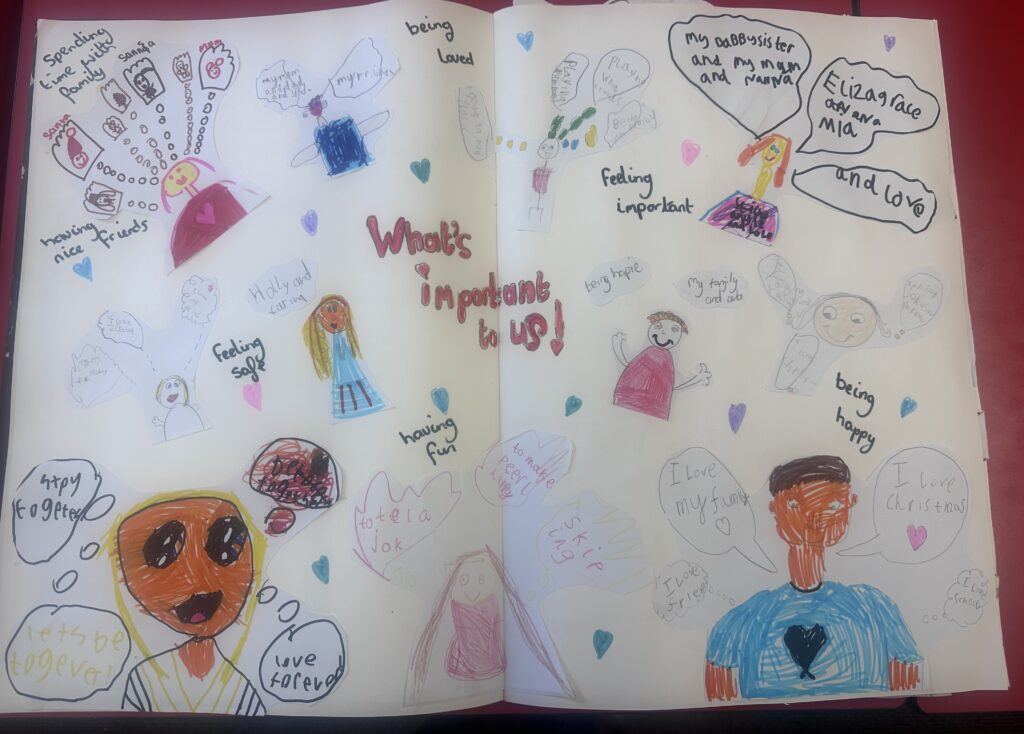
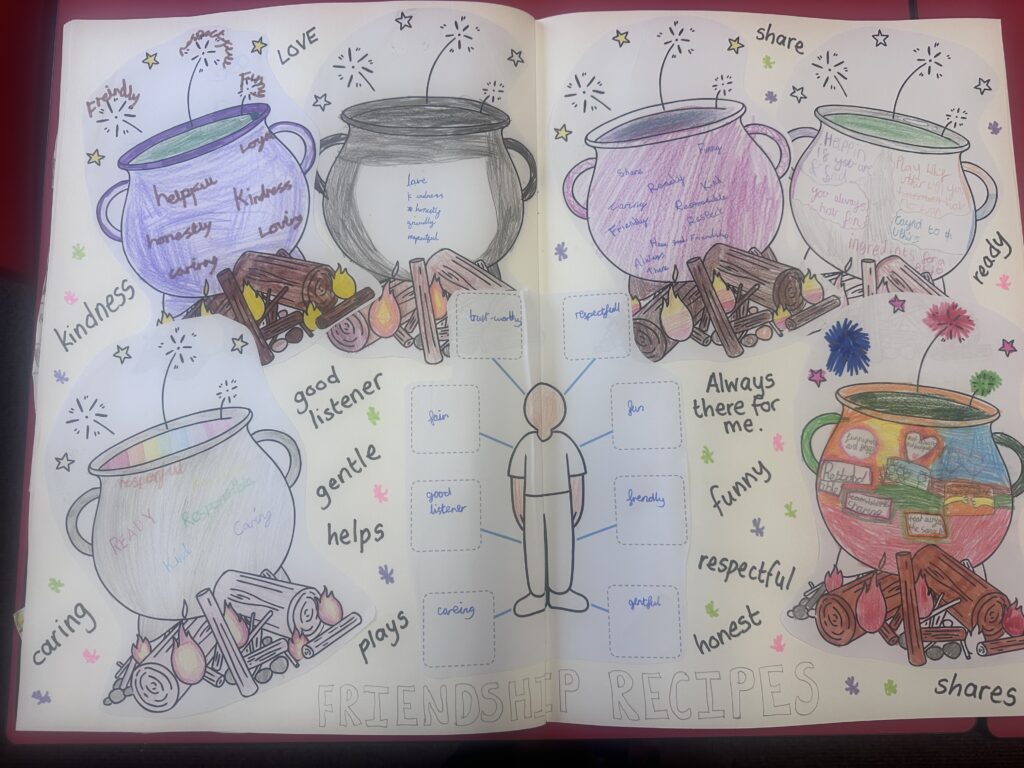
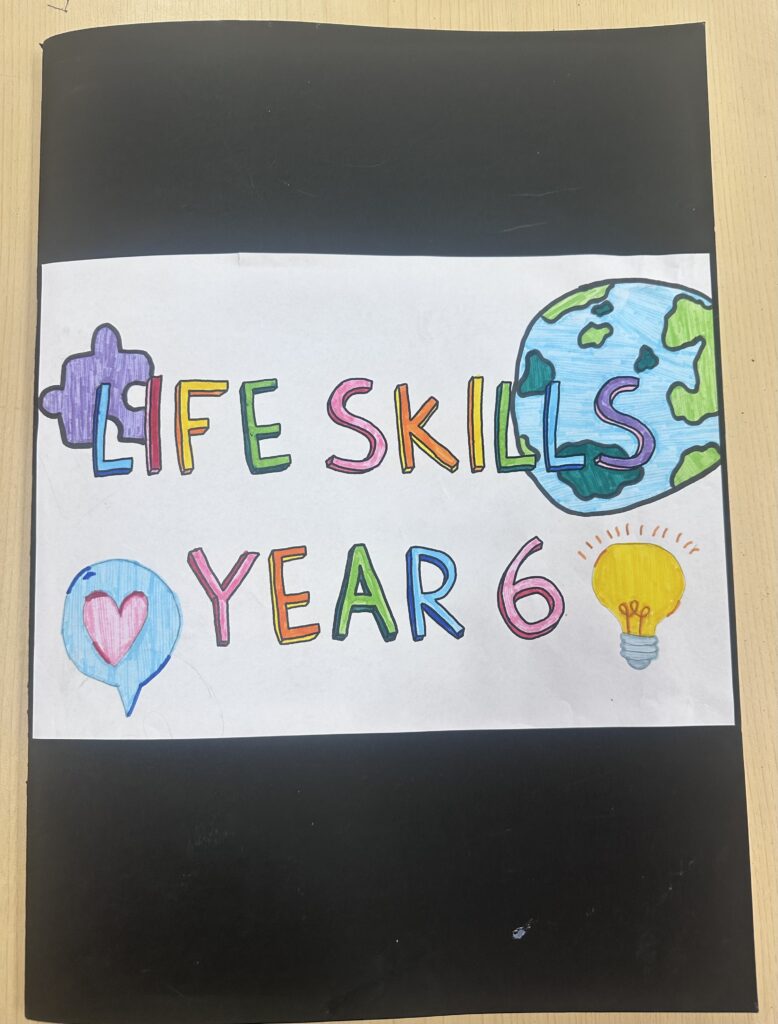
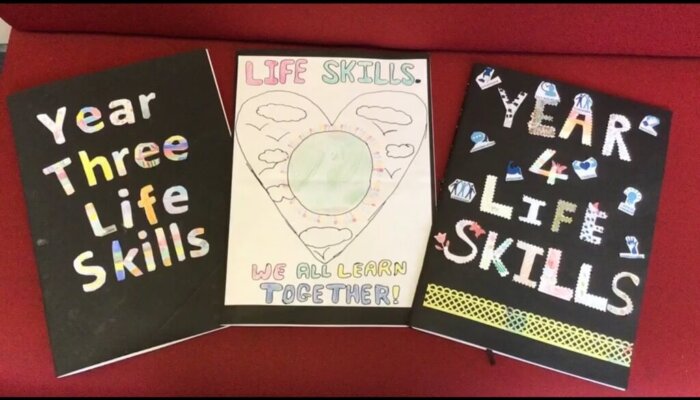
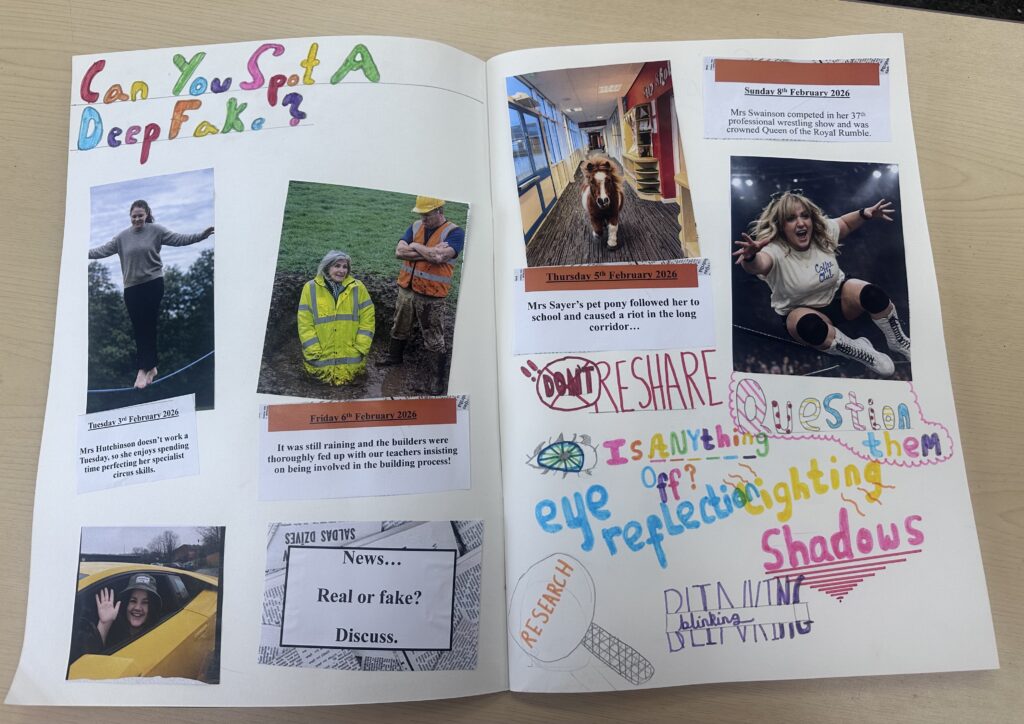
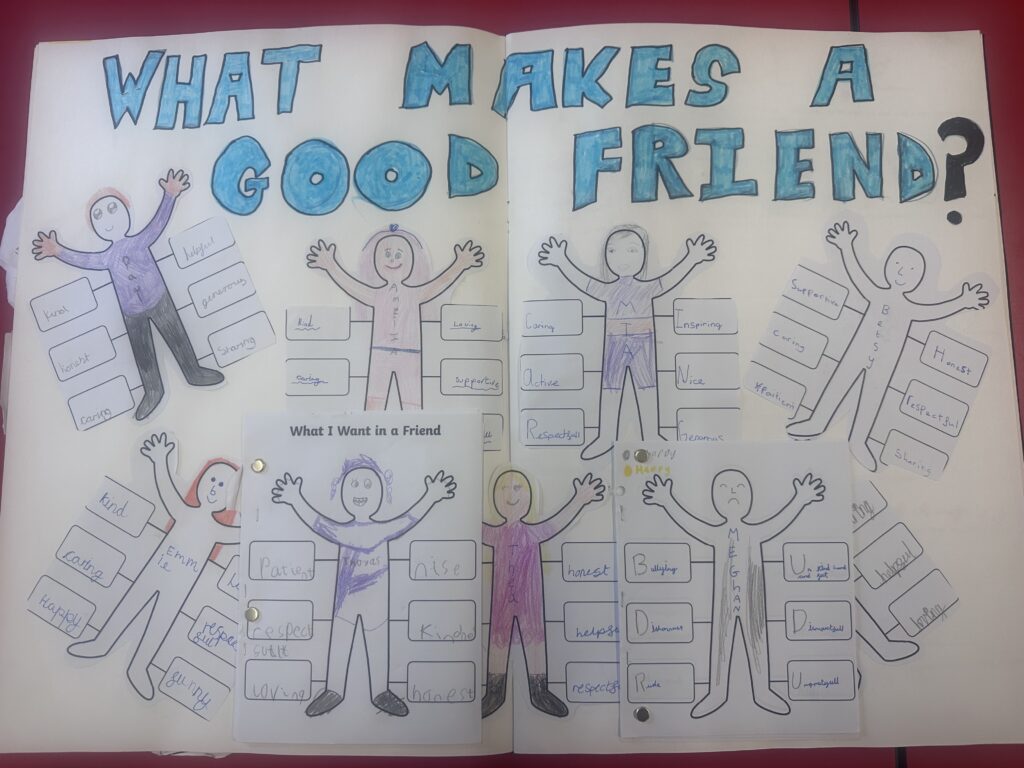
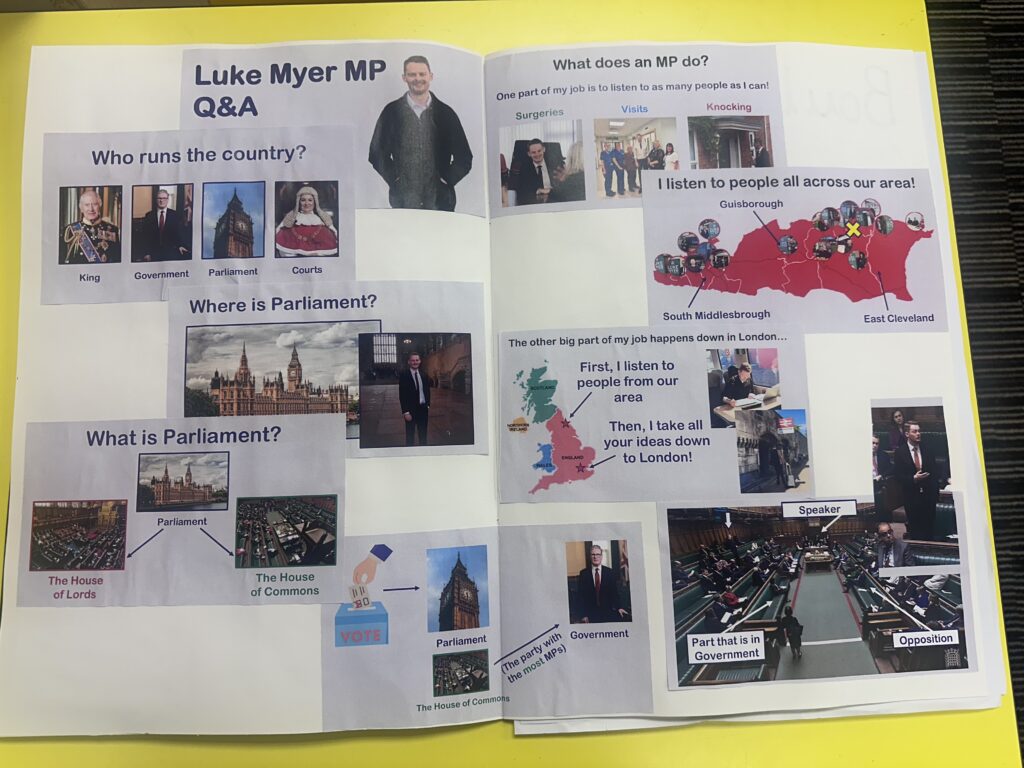
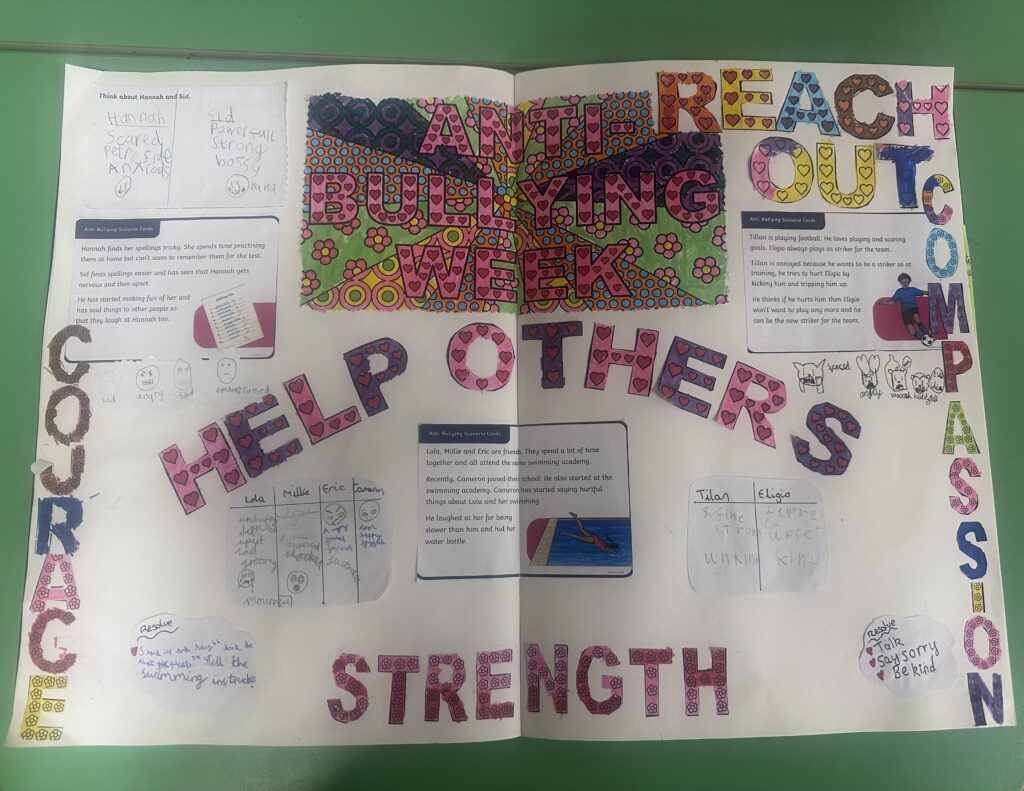
Each year group record their thoughts and ideas in a collaborative ‘Life Skills’ book. This becomes a useful resource for the children to refer to and reflect on their learning.
Impact
In order to effectively design tasks, it is imperative that the classroom teacher understands fully the success that pupils have had with their learning. We use our purpose built Assessment App to track skills progress across Life Skills.
It is worth noting that we define success in our curriculum beyond the assessment of the foundation subjects. We also look to build self –belief and respect so that all children develop a sense of self-worth. We hope to see the children realise new skills and find new interests and talents along their learning journey.
Right to Withdraw
Inline with the Guidance document that supports the teaching of RSE and Health Education, July 2025 Relationships Education, Relationships and Sex Education and Health Education guidance
Skelton Primary School – Relationships and sex education policy
- Parents have the right to request that their child be withdrawn from some or all of sex education delivered as part of statutory RSE.
- Parents do not have the right to withdraw their pupils from relationships and health education, nor can they be withdrawn from topics taught as part of the science curriculum, including science topics related to puberty or sexual reproduction.
If you would like to know more about our Life Skills please email office@skeltonprimaryschoool.co.uk